

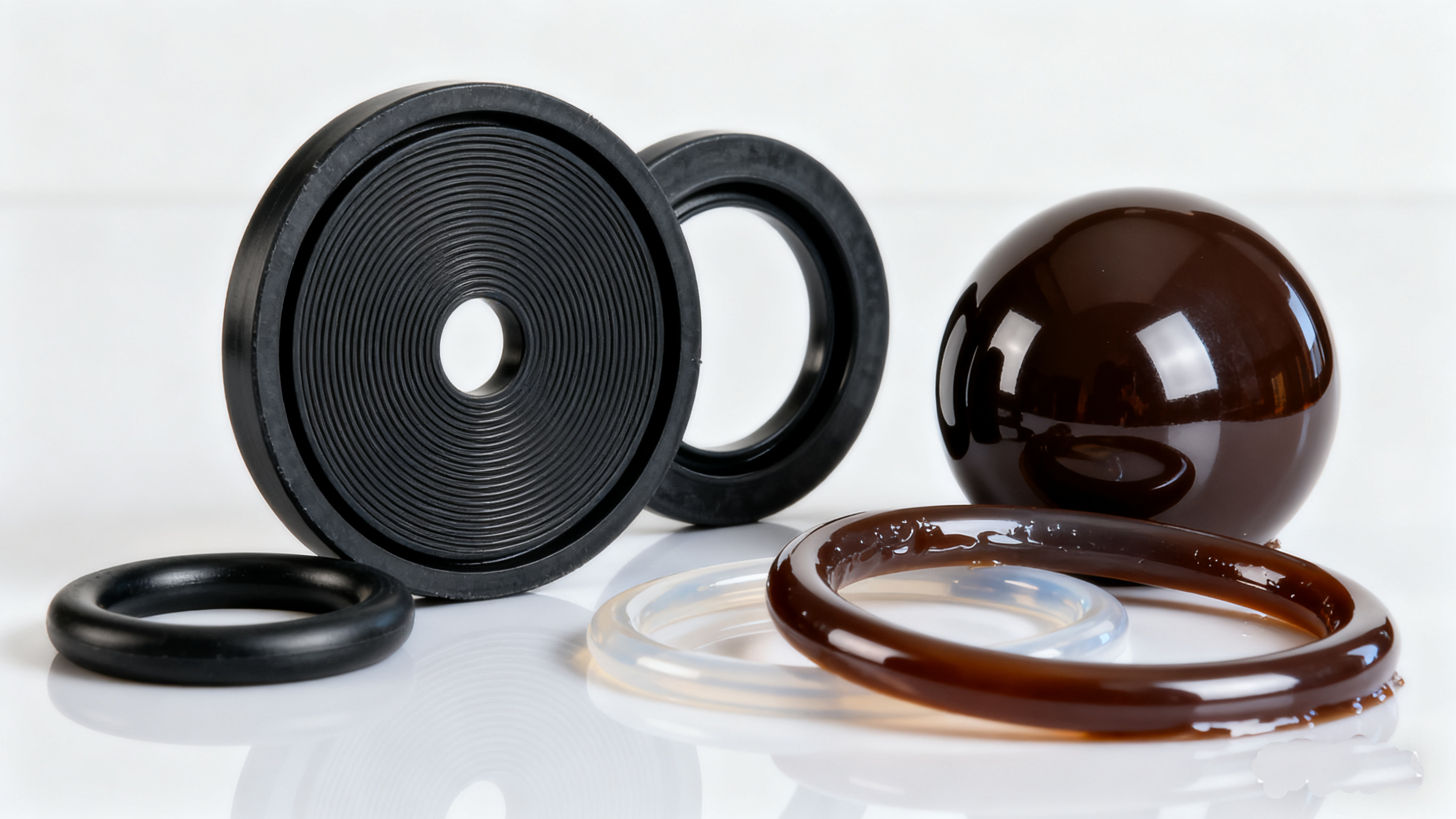
What is rubber vulcanization? In fact, it can be seen everywhere in life
When you drive a car speeding on the highway, when you run in comfortable sports shoes, when you seal pipes with sealing rings, you may not realize that these rubber products can withstand pressure, wear and temperature, all thanks to a key process——Vulcanization.How does the vulcanization process achieve this miraculous transformation from sticky rubber to tough rubber products? This article will take you on a deep exploration of the scientific principles, technological evolution, and future trends of rubber vulcanization.
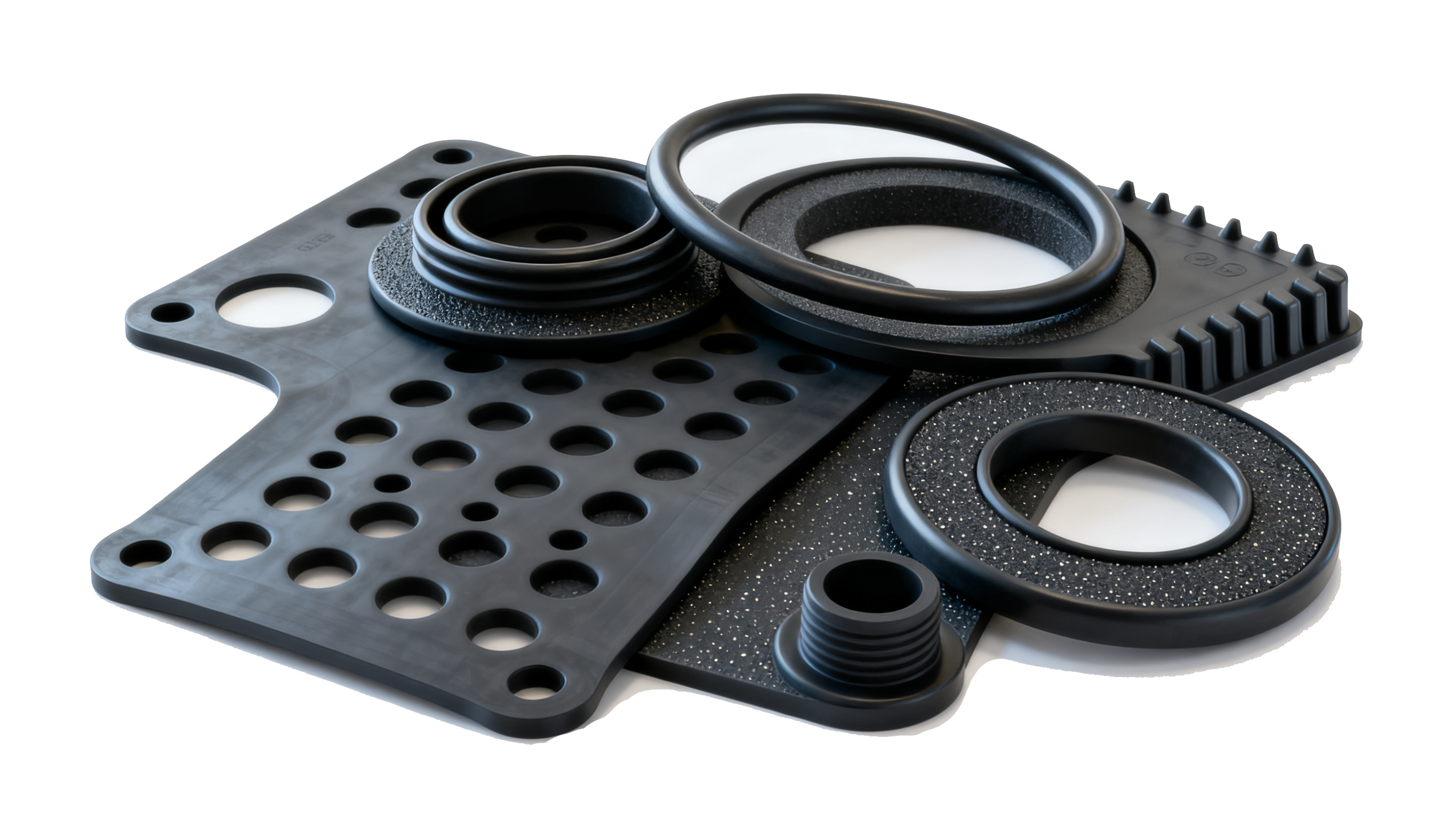
The scientific principle of vulcanization process: the magic of molecular weaving
1.1 From Linear to Mesh: The Essence of Vulcanization
Sulfurization is achieved throughchemical cross-linking reactionThe process of transforming rubber molecules from a linear structure to a three-dimensional network structure. Untreated rubber has plasticity but low strength and is prone to wear, while vulcanized rubber obtains excellent properties such as high strength, high elasticity, and aging resistance.
Molecular structural changes:
Raw rubber:Long chain like molecules that can slide freely exhibit viscoelasticity
Vulcanized rubber:The formation of sulfur bridges or carbon carbon cross-linking bonds between molecular chains forms a stable network structure
1.2 The three elements of vulcanization: temperature, time, and pressure
The vulcanization reaction requires precise control of three key parameters:
Temperature:Usually at 140-180 ℃, adjusted according to the type of rubber and vulcanizing agent
Time:From a few minutes to several hours, determine the optimal vulcanization time (t'c90) using a vulcanizing instrument (such as a rotorless vulcanizing instrument)
Stress:0.5-2.0MPa, Ensure that the rubber material is in close contact to prevent the formation of bubbles
Professional Tips:According to the ISO 6502-3:2025 standard, the vulcanization characteristics are evaluated through minimum torque (ML), scorch time (ts2), and positive vulcanization time (t'c90) to ensure product quality stability.