

One autumn rain and one cold, ten autumn rains wearing cotton.
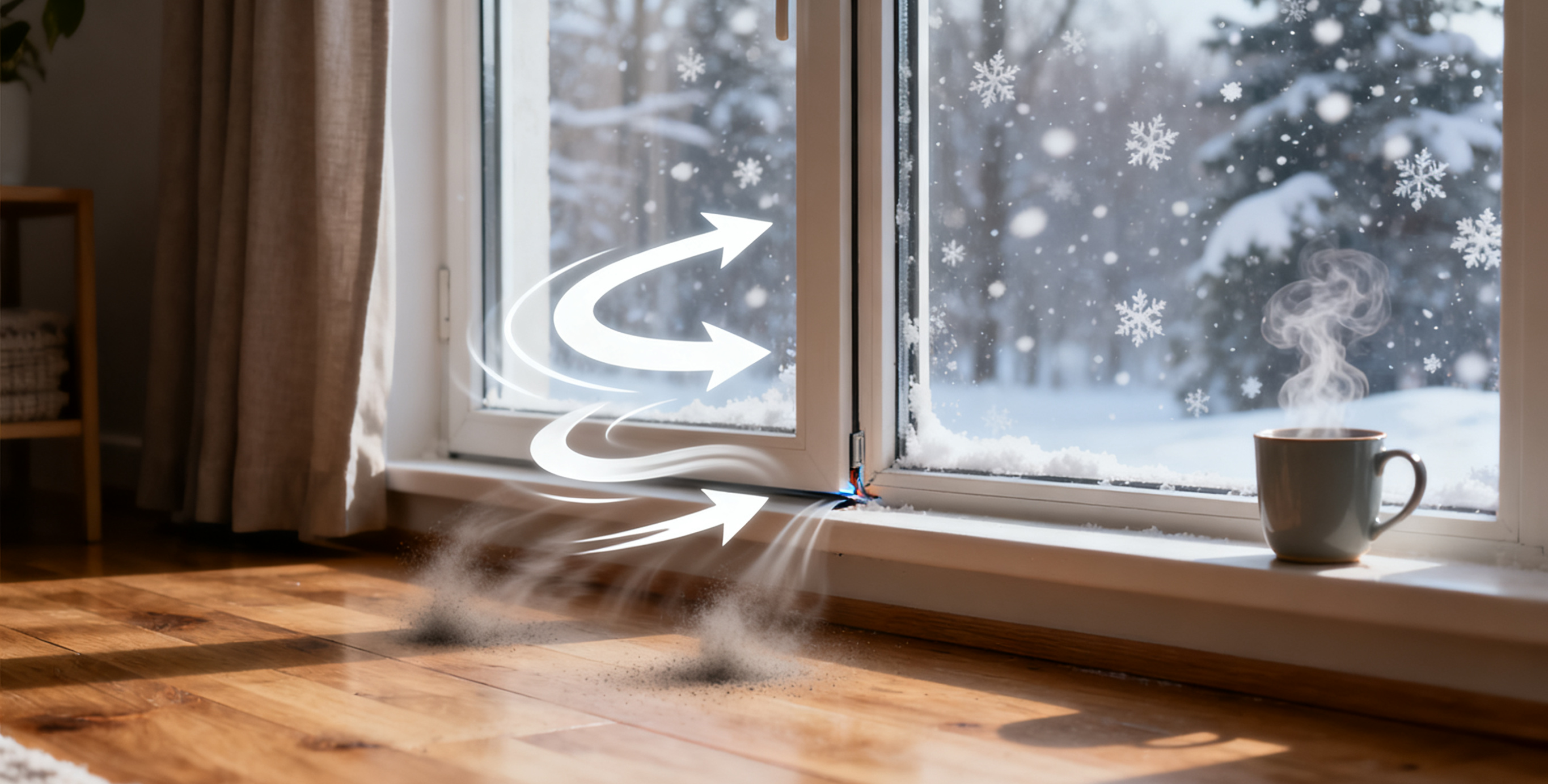
In October this year, the rainfall was very dense, and the concept of autumn felt vague. Unconsciously, half a foot had already stepped into winter - what is the most frustrating thing about winter, of course, is that there is always a "mysterious cold wind" on the sofa even though the heating is on at home. The newly paid heating fee seemed to slip through the window gap, and the air leakage from the office door made typing hands stiff from the cold. Don't let a 1mm gap ruin your winter warmth! Today, I will teach you how to use an inconspicuous sealing strip to block the "black hole" of air leakage, saving hundreds of dollars in heating costs every month and making your home more comfortableTemperature rises by 7 ℃。
Window gap air leakage=throwing away 500 yuan in vain every month? Your 'invisible wallet' is leaking air
"When I was brushing my mobile phone in the sofa, I was suddenly shivered by the cold wind blowing through the window - this is no air leak, it's simply a 'cold air conveyor belt'!" The roast of Beijing netizen Sister Li stabbed countless people. The problem of air leakage through door and window gaps in winter is much more expensive than you might imagine: building energy efficiency data shows that heat loss caused by door and window gaps accounts for 25% -30% of total household energy consumption, equivalent to paying an additional 200-500 yuan in heating fees per month.
Even worse is the "temperature shock" caused by air leakage: even though the living room heating is set to 26 ℃, the temperature by the window is only 18 ℃, making it easy for children to catch a cold while playing on the sofa; The gap under the glass door of the office looks like an "ice cellar air inlet", and colleagues are wrapped in blankets to work. Even when the air conditioning is turned on to 30 ℃, it still feels cold. The culprit behind these problems is often the overlooked door and window sealing strip - after aging and cracking, it's like opening an "invisible skylight" for the home.
Three types of sealing strips tested: selecting the right material is necessary to "lock in temperature and save money"
There are various types of sealing strips on the market, PVC、EPDM、 Which type of silicone is more reliable? We tested three types of mainstream materials and found significant differences in the results:
1: PVC tape: The most common economical choice, but it is prone to hardening and cracking at low temperatures. Mr. Wang, who lives in Harbin, once stepped on a trap: "Last winter, the rubber strip froze like a plastic stick, breaking easily with just one break, and the air leakage from the window crevices became even more severe. ”This type of rubber strip is suitable for warm southern regions and has a lifespan of only 3-5 years.
2: Silicone sealing strip: with top-notch high and low temperature resistance (-60 ℃ to 200 ℃), excellent elasticity, but relatively high price. Suitable for damp environments such as kitchens and bathrooms, it costs several hundred or even thousands of yuan to replace the entire house for an ordinary family, with slightly lower cost-effectiveness.
3: EPDM EPDM rubber strip:The first choice for cost-effectiveness and the king of comprehensive performance!The weather resistance reaches 10-15 years, and it still maintains elasticity at -50 ℃ to 150 ℃, with a compression permanent deformation rate of less than 20% (industry average of 25%).