Composition and Characteristics
Ingredient
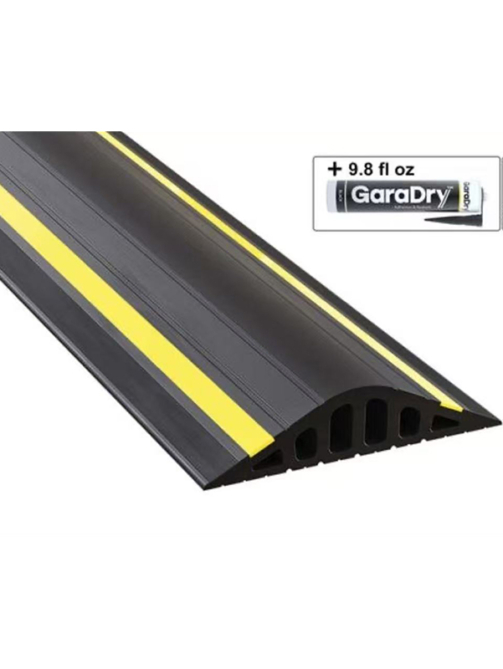
The main component is ethylene propylene diene monomer (EPDM) rubber. It is a ternary copolymer of ethylene, propylene, and a small amount of non conjugated diene. This copolymer structure endows the material with good elasticity and chemical resistance. Among them, ethylene and propylene provide the basic rubber skeleton structure, while non conjugated dienes are used for vulcanization crosslinking to form a three-dimensional network structure of rubber, thereby improving its strength and elasticity.
Feature
Good weather resistance: able to be used in harsh weather conditions for a long time, such as ultraviolet radiation, high temperature, humidity, ozone and other environments. For example, when used on outdoor building doors and windows, after years of exposure to sunlight and rain, it can still maintain good sealing performance without experiencing hardening, brittleness, cracking, and other phenomena.
Strong chemical corrosion resistance: It has resistance to many chemical substances, including acids, bases, salt solutions, etc. In the sealing of some chemical equipment, it can effectively prevent the leakage of chemical media.
Good elasticity: It has excellent elasticity recovery ability and can quickly restore its original state after being compressed or stretched. This allows it to tightly adhere to the sealing surface during the sealing process, ensuring the sealing effect even after frequent mechanical deformation.
Wide temperature adaptability: It can be used in a wide temperature range and can generally work normally in temperature environments ranging from -40 ℃ to 120 ℃. It will not lose elasticity due to low temperatures in the cold winter, and will not soften or deform due to high temperatures in the hot summer.
Production process
Mixing
Mix EPDM rubber with various compounding agents (such as vulcanizing agents, accelerators, anti-aging agents, fillers, etc.) in a mixer or open mill. The purpose of mixing is to evenly disperse various additives in the rubber matrix to obtain a stable rubber material. For example, fillers such as carbon black and calcium carbonate can improve the strength and hardness of rubber, while anti-aging agents can delay the aging process of rubber.
Extrusion molding
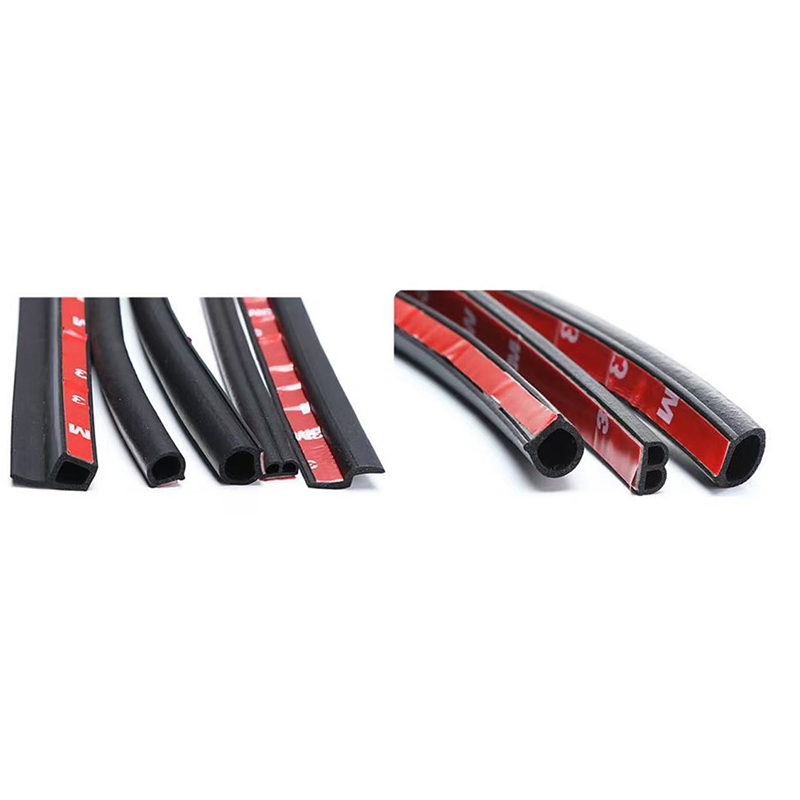
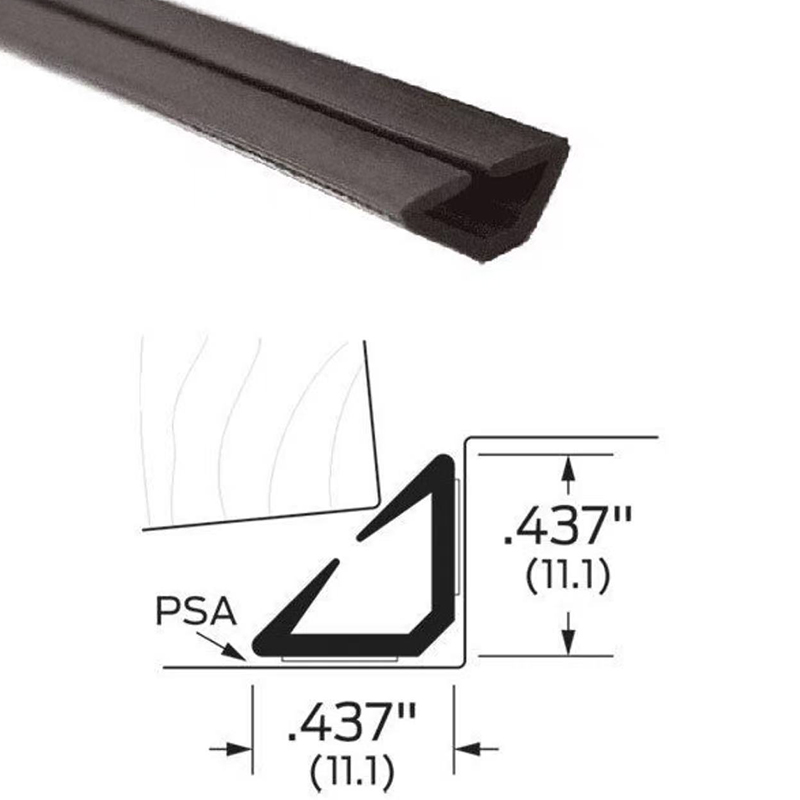
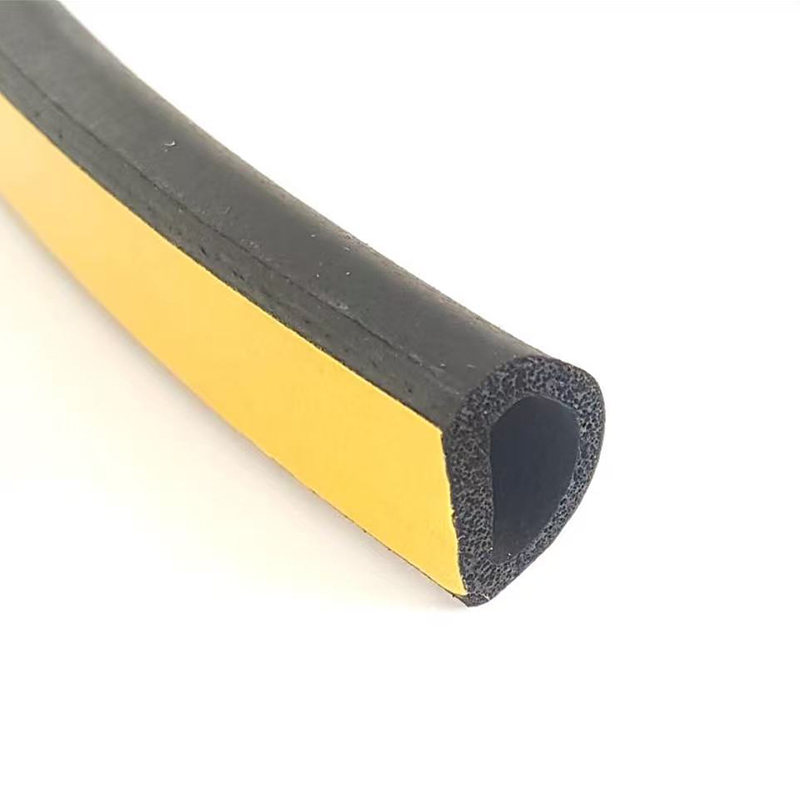
After mixing, the rubber material is extruded through an extruder to form a sealing strip with a specific cross-sectional shape. During the extrusion process, it is important to control parameters such as extrusion temperature and speed to ensure the dimensional accuracy and surface quality of the sealing strip. For example, in the production of car door and window sealing strips, the extruded sealing strip should be able to accurately fit the shape of the door and window, and have a smooth and defect free surface.
Vulcanization
The extruded sealing strip needs to undergo vulcanization treatment. Sulfurization is the process of forming cross-linked structures between rubber molecules through heating or the addition of chemical vulcanizing agents. The vulcanized sealing strip has better physical properties and chemical stability. The commonly used vulcanization methods include thermal vulcanization and microwave vulcanization. Hot vulcanization is the process of vulcanization using steam or hot air in a vulcanization tank, while microwave vulcanization utilizes microwave energy to rapidly move molecules inside rubber, thereby achieving rapid vulcanization.